
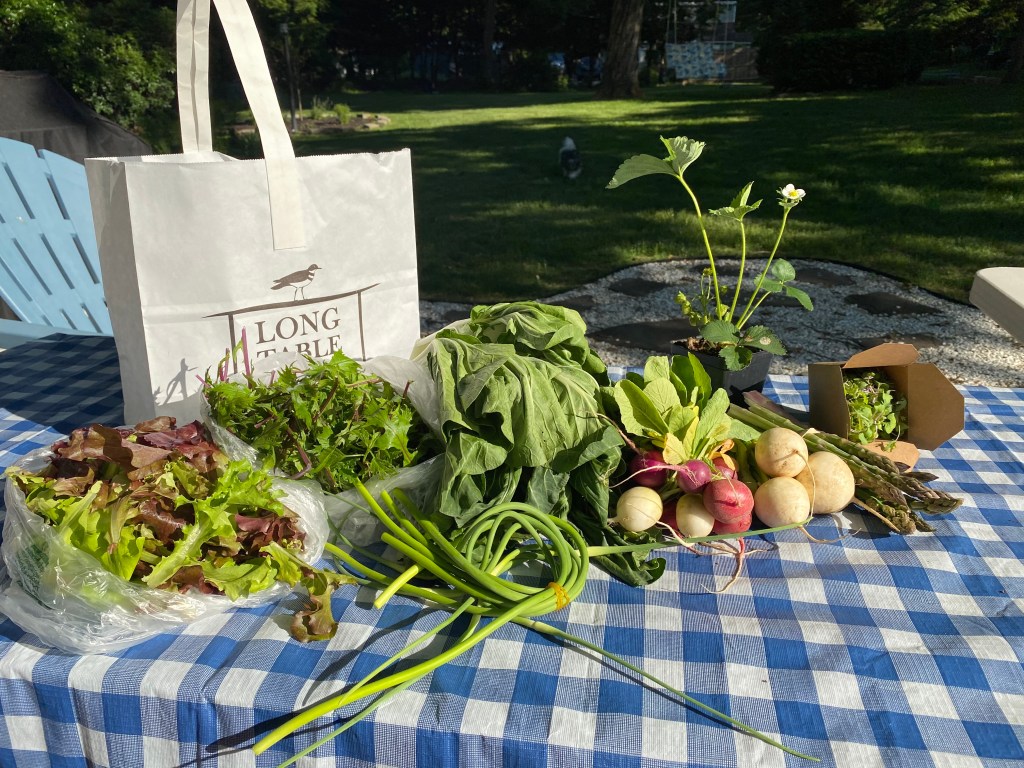
A Farm Share, or crop-sharing, adheres to the Community Shared Agriculture (CSA) Model.
Let us just begin with what’s in it for you: Farm Fresh Food.
The farm, usually local and non-industrial, just asks for what is essentially seed (and seed) money, at the beginning of the growing season (or earlier).
This is done to offset the overhead costs of preparing the land, buying seed, and providing financing for the time before the farmer has product to sell.
One may ask why you would participate in a “Farm Share” when there is a perfectly good grocery story that you can buy products from. To that I would ask a question: Have you ever had freshly grown potatoes?
In all seriousness, freshly grown potatoes are probably the most noticeably different item I’ve personally received from a farm share I participate in.
The answer to my question though the quality of product is significantly better. Another item that is an obvious tell of the difference in store bought and farm fresh are eggs. When you pick up eggs are your local farm inspect the yolk. Store bought eggs from industrial raised chickens eggs have a distinct yellow yolk. Conversely, farm fresh naturally raised chickens egg’s yolk is a dark yellow, orange color. Egg yolk is directly influenced by what a chicken eats, and a darker yolk means the chicken is eating more natural foods and is all the healthier for it.
Eggs, Potatoes; what else can you get at a farm share?
Anything you can eat. Some farm shares provide just fruits and vegetables; others also provide farm fresh meats, cheeses and eggs. The farm share I am participating in this year is doing all of those plus baked goods, soaps, honey, and even dairy goats.
A recommendation is to try out different farms in your local area, figure out which has the best feel to you, along with proximity to your home and products offered that satisfy your needs. A previous farm share I took part in did pick your own flowers and let you pet the animals when you visited to pick up your share.
Where do I find participating farms?
I would start with your state government’s website. Simply googling “My State” + “CSA” or “Farm Share” will provide you with state approved farms. My state goes as farm as listing where they are located, what they say, and what growing practices they use.
From that point, find local farms (no one wants a far drive) and go to their websites or call them. For some reason farmer websites are perpetually placed in the past, it’s like they don’t want to update to the current year. Don’t let this keep you at bay of a farm that really catches your fancy though, simply calling or emailing them and seeing if they have spots available will clear up any confusions. While your reaching out to them see what size they recommend. My wife and I usually get the two person share, which is more than enough for the two of us. I’ve ever heard horror stories from friends who got a family share for the two of them, they were stuck trying to eat rhubarb for weeks.
Why is this sustainable?
To not mention the benefit of contributing directly to your state and local economy by buy direct from the town or county farms would be missed opportunity.
Now to the environmental aspects:
As we discussed, the agricultural industry in the US makes up a significant portion of the green house gasses emitted.
Switching to local farms will lower the overall emission of green house gasses by reducing shipping distances for products as well as energy inputs to operate the farm.
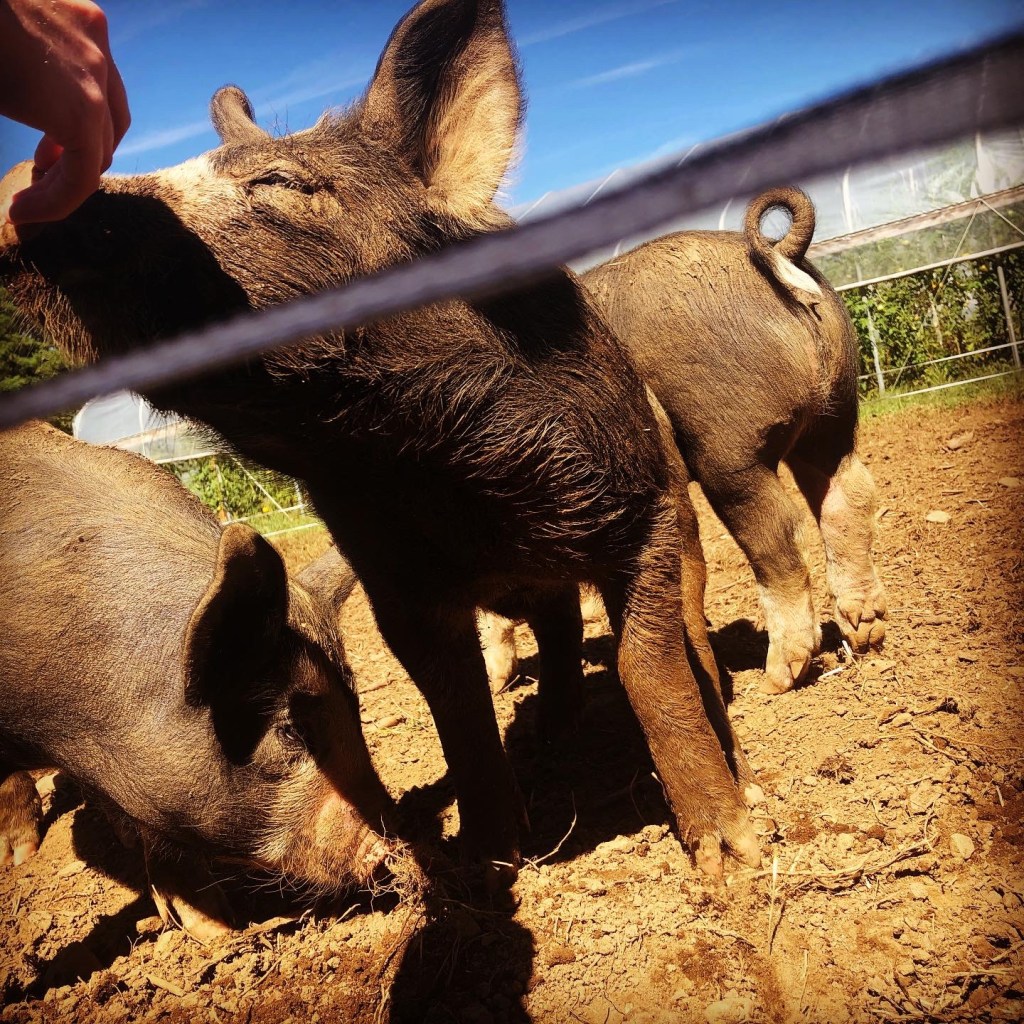
Local farms tend to be smaller and have the ability to focus on different sustainable farming practices, such regenerative farming.
Regenerative Farming practices result in:
– Healthier soil, allowing for more water absorption and rents room during rain. This also allows for less soil erosion and land loss.
– Healthier waterways, by having to use less chemical additives like fertilizer or pesticides to ensure crop growth.
– Less air pollution but minimizing industrial practices that cause air population.
All of these things result in a healthy surrounding population as well as a healthier earth.
Industrial practices breed unhealthy crops. People enjoy buying produce at farmers markets or eating at farm to table restaurants. So why not go one step further.
Become a stakeholder in your local community farm and embrace a more sustainable, healthier way to source your food.
Tell us about your favorite fresh vegetables!
 the climate consultant